Every parent has that moment, usually a week before the big day, when the guest list has grown, the weather forecast looks promising, and the kids are buzzing. That’s when the bounce house becomes the hero. A well-chosen inflatable turns a regular backyard birthday into a carnival kids remember long after the cake is gone. I’ve helped plan scores of these parties, and I’ve also been the parent sweeping grass clippings out of socks at sunset. This guide blends both sides: insider tips from the party rental world and practical notes from on-the-ground birthday duty.
The case for a bounce house at home
You don’t need a massive yard or a huge budget to pull it off. A compact inflatable bounce house fits in many suburban backyards, and most setups take less than an hour. Compared with taking a dozen kids to a trampoline park or a commercial play center, a backyard party rental lets you control the schedule, curate the guest experience, and avoid upsells. It also spreads the fun across the whole party timeline. Kids bounce at arrivals, take a break for pizza, then head back for round two.
Choosing a bounce house rental, or another party inflatable rental like a slide or obstacle course, also scales well across age groups. A five-year-old birthday party bounce house with a small slide works beautifully for preschoolers. A pre-teen crowd might be happier with an inflatable obstacle course rental, a multi-sport inflatable game rental, or even a water slide rental if the weather cooperates. If your guest list spans cousins from three to twelve, you can mix options to keep things safe and fair.
Start with the yard, not the catalog
People flip through a bouncy castle rental catalog first, get excited, then realize the backyard slopes or the clearance under the oak tree is nine feet, not twelve. Reverse the order. Take measurements and photos of the space before calling your local bounce house company.
Measure the footprint and the overhead clearance. Most standard inflatable bounce house units run about 13 by 13 feet, with a height of 12 to 15 feet. Slides and combos vary widely from compact 12 by 20 setups to large 15 by 30 footprints with heights up to 18 to 22 feet. Many companies list dimensions for each jumper rental on their site. Give yourself at least 3 feet of clearance around the unit for air flow, stakes, and safe traffic, and leave a little room for a line of shoes.
Check the surface. Grass is ideal for most kids party inflatable setups. Artificial turf works if the installer uses sandbags instead of stakes. Concrete is fine for an inflatable slide rental or a standard bounce, but it requires heavier anchoring and plenty of padded mats at entry points. Avoid freshly mowed lawns on setup day, which become slick. If you have irrigation heads, flag them. If you have a septic tank area or newly seeded grass, let the installer know.
Look at power access. You’ll need a standard 15-amp outlet per blower. A single blower typically covers a standard inflatable bounce house. Bigger combos and water slides often run on two blowers. Use heavy-duty outdoor extension cords rated for the amperage. Avoid daisy-chaining short cords across the yard. If your nearest power is far, ask the company about a generator and the cost. Generators backyard party rentals are louder than blowers, so place them away from the main gathering.
Finally, consider the wind and shade. Open yards with steady afternoon gusts might call for a shorter unit and a careful weather plan. If you have a west-facing lawn with no trees, the vinyl can heat up. A canopy nearby or a morning start time helps. Some event inflatable units come with mesh roofs that reduce direct sun, but not all.
Picking the right inflatable for the age and vibe
Start with the birthday child. Ask how they imagine the party. If they say jump-jump-jump, a basic bounce house or jumper rental is plenty, especially for kids five to seven. If they want a challenge, look at combo units that add a small climbing wall and slide. If the crowd skews older, think bigger but not necessarily taller. Long obstacle courses and two-lane racing slides keep ten-year-olds busy without the bottlenecks you get with a single slide.
Water matters once it’s hot. A water slide rental is a crowd-pleaser from late spring to early fall. On mild days, look for a convertible unit that can run dry or wet. With water comes hoses, splash zones, and drenched kids. Reserve extra towels and set the slide at the far end of the lawn to keep muddy footprints away from the food table. Ask the local bounce house company how much water the slide uses and whether you should limit flow. Usually a steady trickle is enough.
For mixed ages, balance safety by adding simple rules and visual cues. A smaller indoor bounce house rental or a toddler-friendly mini inflatable can go under a carport or in a garage if you need a dedicated space for preschoolers. Indoors, ceiling height matters and blowers get noisy, so check decibels if you have echo-prone rooms.
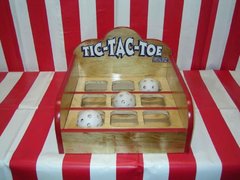
If your group gets competitive, sprinkle in an inflatable game rental. Think basketball shootouts, sticky soccer darts, or a small gladiator joust for teens. You don’t need a full carnival lineup. One add-on near the bounce house creates rotation and keeps older kids from dominating the main inflatable.
Safety, the unglamorous stuff that keeps the party on the rails
Most incidents come from overloading, roughhouse play, or wind. A few real-world anchors help:
Set rules in kid-language. The best instructions are simple and reinforced by a parent stationed near the entrance. No flips, no shoes, no food or gum, and same-size kids together. Divide the session in bursts. Ten minutes for the younger ones, then older kids rotate in.
Respect capacity numbers. If the inflatable manufacturer rates the unit for eight kids under 7 or five kids under 12, stick to that. You’ll see the difference in stability, and you won’t risk knee-to-face collisions.
Watch the forecast. Most companies shut down at steady winds of 15 to 20 mph and pause if gusts spike beyond that. Light rain is fine for many vinyl units, but wet ramps become slick. If lightning approaches, power down and clear the inflatable until it passes.
Anchor like you mean it. The installer should use steel stakes in grass, usually 18 inches, driven fully into the ground, or heavy sandbags on hard surfaces. Ask them to show you the anchor points. If the unit shifts an inch after kids start, call the company back for reinforcement.
Supervise the blower and cords. Keep curious hands away from toggles, and tape down the cord path or route it along fences. Unplug only after all kids are out. Deflation is quick, and surprises aren’t fun for small children.
How to vet a local bounce house company without spending your weekend on the phone
You want clean inflatables, punctual crews, and clear policies. Centrifugal blowers and vinyl look the same in pictures, so dig into service, sanitation, and safety.
Ask about cleaning. A solid operation sanitizes before and after each rental and carries hospital-grade or EPA-registered cleaners that are safe for kids. Vinyl isn’t bulletproof. If a unit shows dull patches or patches of brown mildew at the seams, that’s a red flag.
Look for insurance and permits. A reputable local bounce house company carries general liability https://sacramentopartyjumps.com/ and, in some counties, a permit to operate in public spaces. For a backyard party, you still want proof of insurance. It protects everyone if a mishap happens.
Check their weather policy. Ask what happens if rain is expected the morning of your party or if winds exceed thresholds. The best companies set clear criteria and offer rescheduling or partial refunds. If the policy sounds vague, ask for it in writing.
Gauge delivery windows. Narrow time slots reduce stress. If your party starts at 2 p.m., a crew arriving between 9 and 11 a.m. is perfectly reasonable. Crews that show at 1:40 p.m. for a 2 p.m. party invite unnecessary scrambling.
Evaluate their lineup. A diverse inventory helps you pick the right size. Newer units aren’t just shinier, they tend to have better mesh visibility, sturdier seams, and safer entrances with taller bumpers.
A quick note about add-ons. Some outfits offer bundling: a birthday party bounce house with a cotton candy machine, tables and chairs, or a generator. Bundles can save you 10 to 20 percent, but verify that the table quality and canopy stakes fit your yard. If you only need a couple of extras, rent selectively.
Cost breakdown and where the money actually goes
Pricing varies by region, season, and unit type. In many metro areas, a standard inflatable bounce house might run 120 to 250 dollars for a four to six hour window. Combo units with a slide, 200 to 350 dollars. Larger inflatable slide rental or two-lane water slides, 300 to 600 dollars. Obstacle courses can range from 350 to 900 dollars depending on length and brand.
Delivery fees typically depend on distance from the warehouse, with free delivery inside a core radius and surcharges beyond. Weekends book first, which can add a premium during peak months. Expect a deposit to hold your date, usually 25 to 50 percent. Damage waivers, if offered, cover punctures or cleaning fees for small accidents but not gross negligence like cutting the vinyl with a utility knife during teardown.
Accessories add up in small increments. A generator may add 75 to 150 dollars. Foam mats for concrete entries, 10 to 30. A misting kit for summer, modest cost but a big comfort upgrade. If you’re comparing quotes, look for what’s included in setup: tarps, ramps, stakes, and extension cords of the right gauge.
One thing parents ask: can you negotiate? You can, respectfully, if you’re flexible on timing, especially for same-week bookings where a company would rather rent a unit than leave it idle. Some will discount weekday parties or late end times that fit their routing.
Dry versus wet: making the choice
Dry setups are simpler. Less mud, less water tracking, and no post-party soggy towels. A dry inflatable keeps the party flowing even if the grass is still damp from morning dew. It also extends the season into cooler months.
Wet setups elevate the fun when temperatures push past 80 degrees. The energy stays high without the overheated meltdowns. Switching a convertible slide from dry to wet is easy, but avoid flipping modes mid-party unless the company approves. Wet vinyl gets slick, and entry steps feel different underfoot.
If you pick water, designate a towel station and a shoe zone. Put a small table near the entrance for glasses or bracelets that slide off. A plastic bin for soaked shirts prevents a lost-and-found headache in the evening.
How to structure the party around the inflatable
A bounce house doesn’t replace the party plan, it anchors it. When kids arrive, the inflatable becomes a social equalizer. Shy guests don’t have to navigate awkward small talk. After the first half-hour, ease everyone into pizza or snacks, then back to bouncing.
If you add an inflatable game rental or a second attraction, separate them slightly. That spacing naturally divides the crowd and prevents collisions. Keep the cake table out of the airflow from blowers. The fans push a steady stream that will blow out candles at the worst moment.
As a rhythm check, I like to think in ten-minute pulses for younger kids and fifteen-minute circuits for older ones. Rotate by height if needed. A simple colored wristband system helps: green for under-7 jumps, blue for older kids. You don’t need a whistle, just a friendly parent with a good sense of timing.
Setup day, from driveway arrival to first jump
Expect a crew of two for most units. They’ll roll in a vinyl burrito that weighs anywhere from 150 to 450 pounds, lay a tarp, unroll the unit, and stake it down. The blower connects at the back via a snug air tube and cinch strap. Inflation takes less than three minutes for a standard unit, perhaps five for larger slides. They’ll walk the seams, check anchor points, and show you the off switch, zipper placements for deflation, and the emergency plan if power cuts.
If your yard sits behind a narrow gate, tell them beforehand. Most installers can navigate a 36-inch gate with standard units but slides can be wider. If you have stairs or a steep slope, they might need extra crew or equipment. Surface prep helps: clear toys, dog waste, and rocks. Mow the day before, not the morning of, and water the lawn lightly if the ground is rock-hard, which makes staking easier and safer.
If you’re on concrete, expect sandbags and weights and multiple gym mats at entry and exit. Good crews take no shortcuts here. Ask for corner pads near the stairs to protect shins.
Cleanliness and what “sanitized” should look like
Vinyl attracts dust outdoors. Clean doesn’t mean pristine like a showroom, but it shouldn’t smell musty or show sticky residue. The crew should wipe down high-touch areas: entrance bumpers, interior walls where kids brace, and slide lanes. If you’re sensitive to chemicals, request the product sheet ahead of time. Plenty of companies use non-chlorine, fragrance-free solutions that still meet hospital-grade standards.
After the party, check for personal items in the unit pockets or along the seams. You’d be surprised how many socks, hair ties, and action figures emerge when deflation starts.
When an indoor bounce house rental makes more sense
Winter birthdays or heat waves push some parties indoors. A compact indoor unit fits in a garage, rec room, or church hall. Ceiling height is the limiter. Bookmark 8 feet for mini units, 10 to 12 for mid-size. Consider the noise, which bounces off walls and makes conversation tough. Use foam floor tiles under and around the entrance to protect floors and soften landings. If your venue restricts power draw, verify the amperage of the blower and whether the facility uses GFCI outlets.
Indoor setups shine for toddler-heavy guest lists where you want close supervision and a predictable environment. You trade the big slide wow factor for convenience and safety.
Handling the what-ifs without losing your cool
The blower trips the breaker. This is common when too many devices share the circuit. Move to a dedicated outlet or run a heavier gauge cord. If the breaker pops repeatedly, call the company for a generator.
A summer storm pops up. Power down at the switch, guide kids out, and wait it out under a canopy. Vinyl dries quickly with towels. Don’t leave the unit inflated in high wind.
Someone scrapes a knee on the entry step. Keep a small first-aid kit handy. A cleaned and bandaged scrape shouldn’t sideline a child, but if they’re rattled, guide them to a calm activity like coloring before rejoining.
Your grass shows flattening after pickup. That’s normal. Water lightly and brush the blades with a rake. Within 24 to 48 hours, the lawn pops back unless the soil was saturated.
Common pitfalls that seasoned parents avoid
Overbooking the attractions looks tempting in catalogs. Two inflatables plus a magician plus a petting zoo can fracture the party flow and overwhelm kids. Pick one headliner, maybe two total attractions, and make them easy to supervise.
Forgetting the shoe traffic creates a mess. Place a shoe rack or a simple laundry basket by the entrance. It keeps the grass outside and the vinyl clean inside.
Skimping on shade ends parties early. A 10 by 20 canopy near the inflatable lets kids cool down. On hot days, a misting bottle station saves the day.
Ignoring neighbors can backfire. A friendly heads-up about the blower noise and parking keeps goodwill with the folks next door.
Not confirming pickup time. If your party runs late or you want an overnight, get it in writing. Overtime fees are cheaper when planned ahead than when the crew is idling at your curb.
Quick planning checklist
- Measure your space, including power access and overhead clearance, and note the surface type. Match the inflatable to the age range and forecast, choosing dry, wet, or combo with clear capacity limits. Book with a reputable local bounce house company that provides insurance proof, cleaning details, and a written weather policy. Set ground rules for play, designate a shoe zone, and assign a rotating adult supervisor for the entrance. Stage shade, towels, and mats, and confirm delivery and pickup windows two days before the party.
Real examples from the backyard circuit
A seven-year-old party with fifteen kids did best with a 13 by 13 bounce plus a small basketball game inflatable off to the side. The bounce house soaked up the first hour. After cake, the kids naturally split between hoops and bouncing. Total rental cost sat at about 260 dollars including delivery and mats. No water, no mud, easy teardown.
A July birthday for a nine-year-old went with a 15-foot water slide rental and a simple canopy. The host put the slide at the far corner of the yard, pointed downhill. Kids lined up along the fence, which kept the runout tidy. Two garden hoses on a splitter fed a low flow. With towels pre-labeled by name, the chaos stayed tolerable. The lawn had a muddy patch the next day, but by midweek it recovered.
A mixed party with toddlers and tweens rented a combo with a small slide plus a mini indoor unit in the garage for the littles. Wristbands simplified rotations. When the big kids took the combo for fifteen minutes, the toddlers bounced safely inside. Parent stress was low because everyone had a place to be.
The nuts and bolts of teardown
Most crews return within the agreed window, confirm that the unit is clear, then cut power and open the deflation zippers. The vinyl collapses quickly, which fascinates younger kids and makes parents nervous. Keep kids at least ten feet away. Crews fold and roll the unit, remove stakes or sandbags, and sweep the area. Good companies fill stake holes on request and gather tape markers or flags. If you put down tarps, shake off grass clippings and let them dry before storing.
If you spot scuffs or small tears, mention them. A company that documents wear at pickup is a company that keeps its inventory safe, which protects future renters and keeps your deposit intact.
Final thoughts from the field
A bounce house isn’t just equipment. It’s a little stage that sets the tone. When you pair the right inflatable with the right yard and a few simple rules, you get three hours of laughter and a tidy path to bedtime. The art lies in sizing to your space, matching age to activity, and partnering with a rental team that treats safety and cleanliness as non-negotiable.
A smart plan beats a bigger unit. A classic 13 by 13 will often outperform a flashy slide if you’re running late, short on shade, or light on supervision. Conversely, a larger inflatable obstacle course rental might be the perfect solution for high-energy older kids who need to spread out and race. Trust your read on the guest list.
Book a few weeks out for spring and fall weekends. Keep an eye on the forecast, and don’t be afraid to pivot to an indoor bounce house rental if heat or storms make outdoor play risky. The best local bounce house company will help you adjust, not guilt-trip you.
If you remember nothing else, remember this: space, power, shade, supervision. Nail those, and the rest becomes a memory reel of airborne giggles, dramatic slides, and a birthday kid who falls asleep still smiling.